

About vulnerability hangovers

The most common feedback I often hear about my writing, whether from friends or writing groups, is that I'm so honest. And it still surprises me when people notice it, not because I don't believe my writing is honest, but because how else do you write personal stories?
I don't know how to write and not give an intimate close-up. I believe memoir writers can't leave out essential parts; then, it is better not to write at all. Recently, I read a memoir where the author was leaving behind clues, but not for the sake of a buildup and then the reveal at the end, but pretty much writing, "Something huge happened at the same time in my life, but I'm not going to tell you." The rage I felt! I have the right to know; I'm a reader! I'm half joking, but only half, because I felt disappointed that I wasn't important enough to be trusted with this information.
I want my readers to know the truth, which comes easily to me. I spend almost no time strategising on the page. The truth reveals itself. It doesn't mean that I don't have vulnerability hangovers after sharing something very personal. I do, and sometimes it takes me by surprise. It just happened this week. You may have read my story, The Day I Lost My Hair. The reason why I can so openly write about my life stories is the fact that they are in the past. Something I have put behind me and made peace with it. It's like finding a photo of your high school sweetheart and not feeling sad that you broke up twenty years ago. Sometimes, it can even feel comical to think about how in love you were. It's the same with my personal stories from the past; it's almost like they happened to someone else. When I put the words on the paper, I can relive the story's emotion, but it won't impact me. They feel almost fictional.
But this hair loss story got me. I have talked about my hair loss with my closest friends, strangers at the supermarket queue and bald men on the street who all seem to have agreed on the universal greeting "I love your hair-do". I don't have a problem talking about my alopecia; it's a great ice-breaker. But just when I was about to publish my hair loss story, I re-read it for what seemed like the millionth time, upset that I still don't know where to place the commas in English (my native is Estonian). Moments like these make me realise that I'm just scared. Even though it's been five years since I lost most of my hair and had to shave my head, the story continues.
Only very recently have I also lost my eyebrows and eyelashes, looking faceless, and no longer have to shave my hair because of some regrowth; there's none. I had not considered an option that maybe this could be for the rest of my life…This is how grief can show up, in the most unexpected ways, when you think you've turned the page. My go-to is putting on a brave face. I'm good, always so good, until someone takes my hand, looks at me and says, hey, you are allowed to feel sad about this. This is precisely what happened this week.
As soon as I lost my eyebrows and eyelashes, I started to look for alternatives, and luckily, there were many. I spent 200 dollars on eyelashes that the whole internet seemed to rave about, only making me feel like I had dust stuck in my eyes, and instead of the promised seven-day wear, they fell out the next day. I felt like a Cinderella. No, more like I had been robbed in bare daylight. And those eyebrows, I just couldn't get the placement right, putting them too high on my face, looking like a fish with a forever surprised expression. I was raging and wrote a couple of emails to the companies selling those products. How dare you make money off people's insecurities? The next day, I calmed down. The products were all right, and the companies selling them tried to be helpful and even offered me a refund. I felt bad. It wasn't their fault that I was sad about my loss and didn't know it was okay for me to feel down. Alopecia makes you feel like you almost don't have the right to grieve your hair because you didn't lose it after chemotherapy, and people who have hair tell you that "it's just hair".
I realised that maybe it wasn't one of those things that I had put behind me. I live with alopecia every day. Perhaps it's okay to grieve things that you thought you already had overcome. It doesn't mean that you want the old version of you or the old life back. Sometimes, it's just the parts of you or the parts of that old life you long for.
When my partner said that it really sucks, you can feel sad about it; it felt like a permission slip. I wish I could give those out to myself and not wait for someone to validate my feelings. But this is where I'm at right now.
Maybe vulnerability hangovers don't happen because we share something personal. Perhaps they only occur when we share something that still has more to teach us—and we're terrified of how others will respond. It's like a sign that we still need to heal the parts of ourselves that are too attached to other people's opinions. What do you think? Do you get vulnerability hangovers?
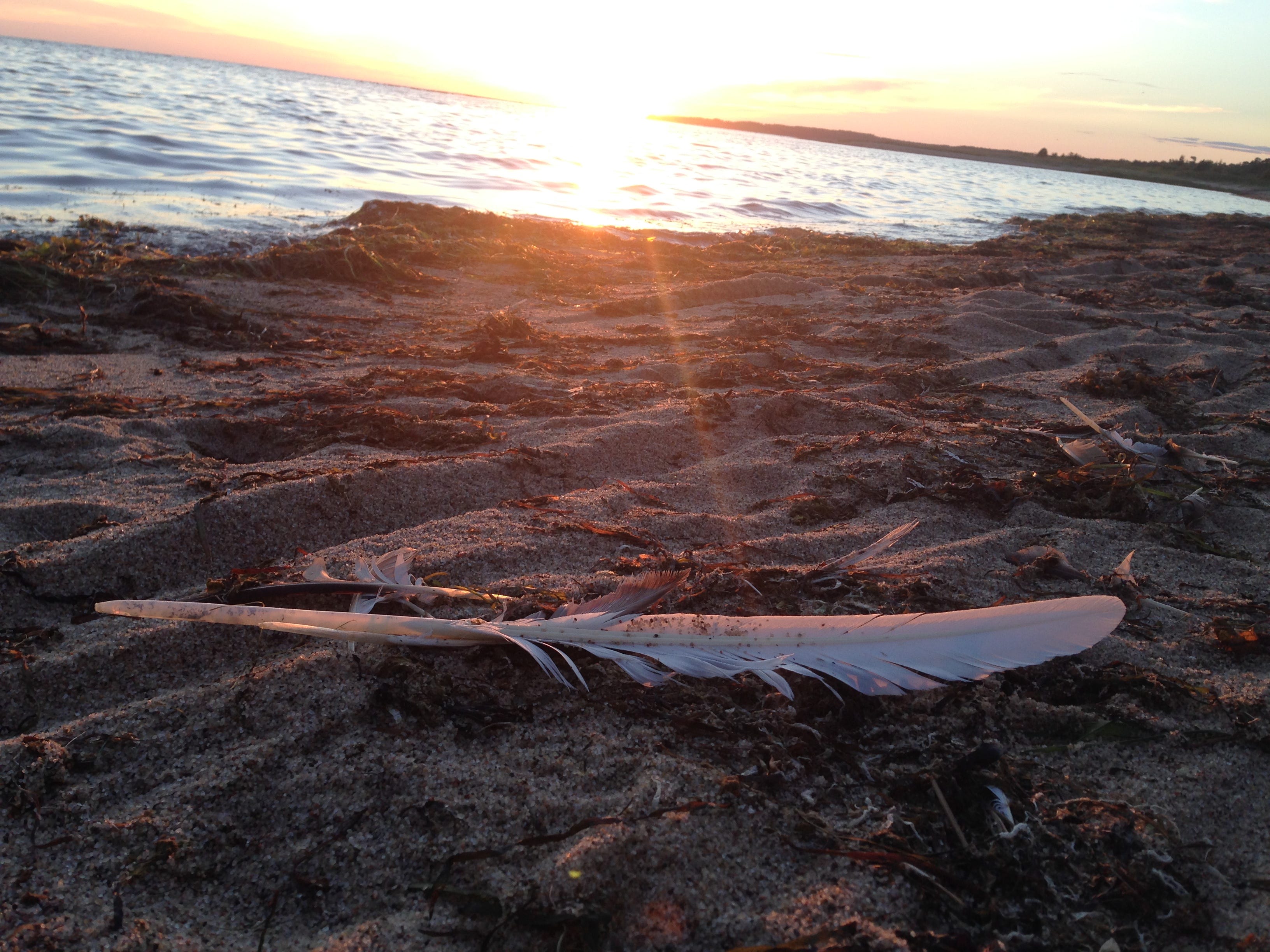
“All you have to do is write one true sentence. Write the truest sentence that you know” Hemingway. When we walk on the beach and we find pieces of broken glass that are still sharp, you can cut yourself. But when you find old pieces of glass, washed by the ocean, they look so beautiful, like a gem, and it’s impossible to cut yourself, the edges have been rounded. That’s how I feel about writing about the wounds. “Washed” past comes out easily to write but sometimes, I feel a calling to write about the present . I dont think that I pick the stories to write, I try to make a list, but it never works. I wake up and suddenly I realize that i am writing about something that I didn’t planned and so it is. Thanks for sharing your fresh raw emotions.
You might like reading Akira Kurosawa 's Autobiography.
It does have the same take on vulnerability and memoirs as you do in the introduction(of this post)